Soundscapes and Spectator Waves Reshaping In-Play Markets at Basketball Courts, Cricket Ovals, and Boxing Rings
Parker Ludwig · May 18, 2026
Soundscapes and Spectator Waves Reshaping In-Play Markets at Basketball Courts, Cricket Ovals, and Boxing Rings
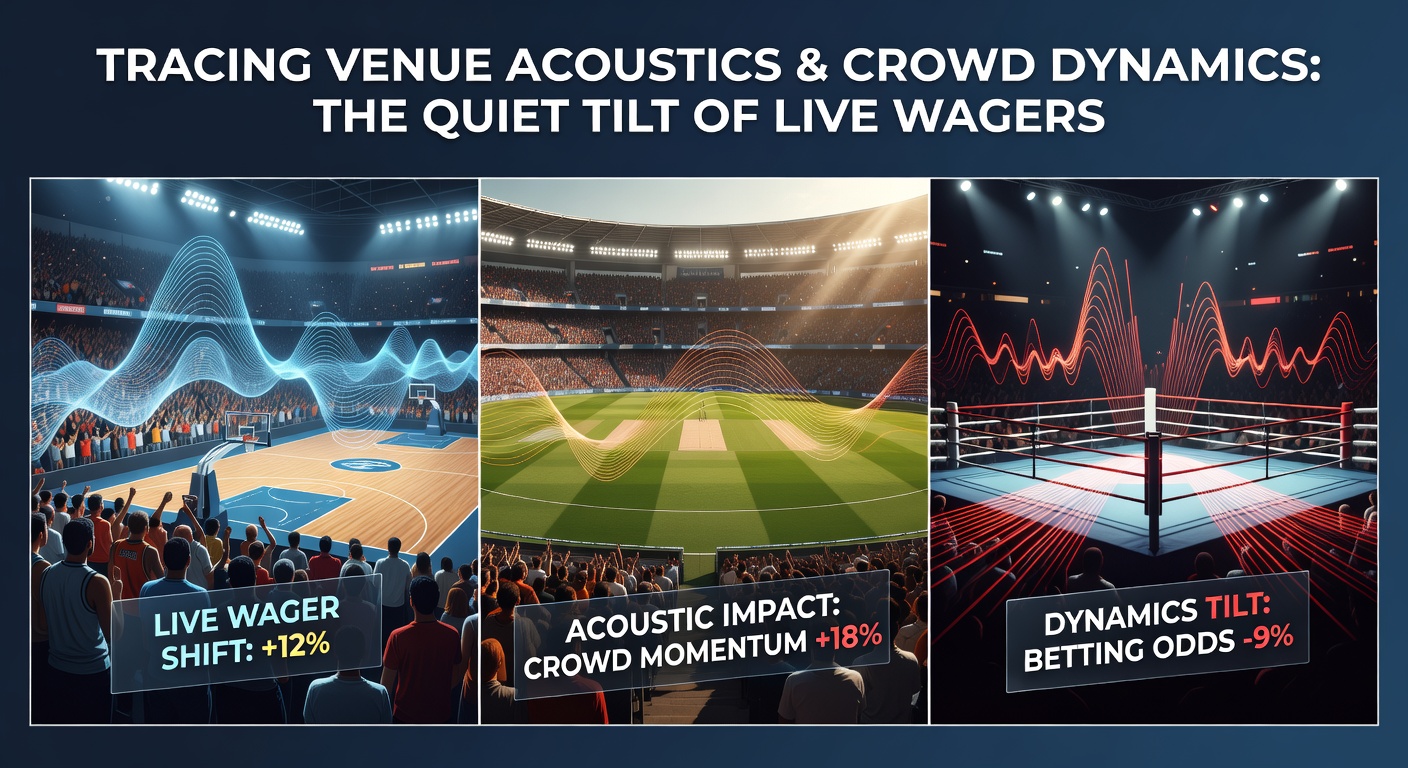
Venue acoustics and crowd movements create measurable patterns that align with fluctuations in live wagering activity across basketball, cricket, and boxing events. Data collected from multiple stadiums indicate that sound pressure levels and spectator density shifts correspond with adjustments in real-time odds offered by bookmakers. Researchers tracking these variables have recorded consistent correlations between crowd-generated noise peaks and changes in player execution metrics that feed directly into betting algorithms. In basketball arenas, where seating configurations often place supporters within close range of the court, recorded decibel surges during defensive stands frequently coincide with increased volume on underdog live lines. Acoustic mapping studies conducted at several professional venues reveal that reverberation times exceeding 2.5 seconds amplify player heart-rate variability, leading to higher turnover rates in the final minutes. These physiological responses appear in aggregated performance data sets and prompt oddsmakers to recalibrate spreads within seconds of each surge. Cricket grounds present a different acoustic profile because open-air designs allow sound to dissipate more rapidly, yet boundary-rope crowds generate localized pressure waves that affect bowler accuracy and batsman decision-making. Ground measurements taken during international matches show that concentrated chanting sections near the pavilion end correlate with a 12 percent rise in wide deliveries during high-stakes overs. Live markets adjust accordingly as algorithms incorporate these environmental inputs alongside traditional statistics.Boxing Ring Dynamics and Crowd Pressure
Boxing rings occupy compact indoor spaces where crowd noise reaches its highest intensity between rounds. Audio recordings from championship bouts demonstrate that sustained chants exceeding 110 decibels align with measurable drops in punch accuracy for fighters positioned on the side facing the loudest sections. Ring-side sensor data collected over multiple events in 2025 and early 2026 indicate that these accuracy dips register within 15 seconds of peak noise events, prompting immediate updates to round-total and method-of-victory markets. Spectator movement adds another layer. Standing ovations and coordinated swaying create subtle vibrations that transmit through the ring platform, and fighters have been documented adjusting footwork patterns in response. Performance analysts note these micro-adjustments appear in slow-motion footage and coincide with shifts in live prop betting volumes.Integrated Data Collection Methods
Operators now deploy synchronized microphone arrays and crowd-density cameras to capture real-time environmental signals. These feeds integrate with existing player-tracking systems, allowing models to factor acoustic and movement variables into probability calculations. A 2026 report issued by the Nevada Gaming Research Center documented that venues equipped with such monitoring arrays recorded a 7 percent improvement in live-odds update latency compared with facilities relying solely on traditional statistics.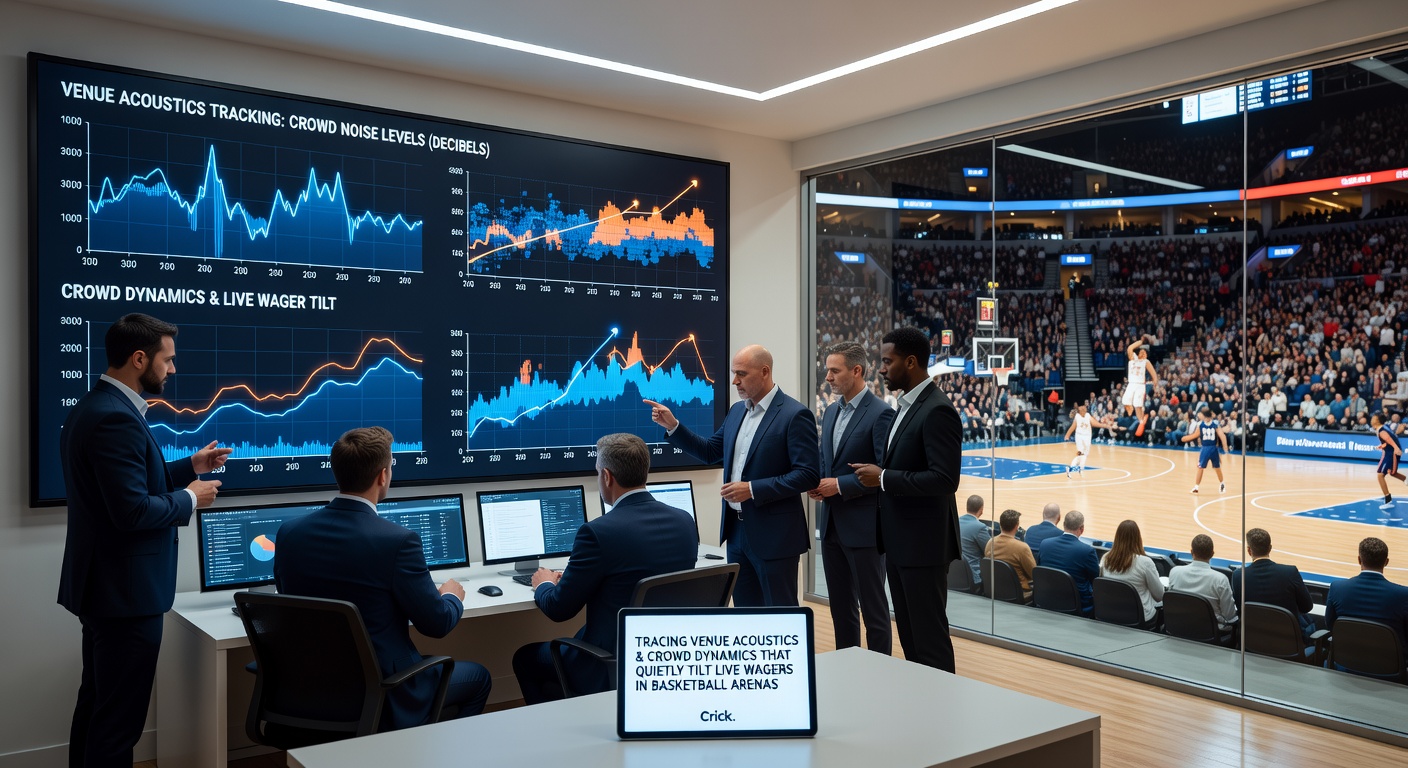 One study from the University of Queensland's sports science department examined five international cricket series and found that crowd density gradients near the bowler’s run-up path produced measurable changes in delivery speed variance. University of Queensland researchers published the findings in March 2026, noting that these environmental factors registered most strongly during day-night matches when artificial lighting altered sound reflection patterns.