Scotland's Betting Sector Advances Through Digital Growth and Heightened Oversight in 2026
Devon Schmitt · Jun 1, 2026

Scotland's Betting Sector Advances Through Digital Growth and Heightened Oversight in 2026
Scotland's betting sector operates inside the UK's regulated framework and continues to record expansion in digital and mobile wagering channels, with football-related activity driving much of the recent activity while regulators place stronger emphasis on consumer protection measures, affordability checks, advertising standards, and harm reduction initiatives throughout 2026. Operators respond to tighter requirements set by the UK Gambling Commission along with wider UK policy reforms, even as retail betting shops maintain a presence in high streets across the country and the overall market moves further toward online platforms.
Digital Channels Drive Market Expansion
Data on online gross gambling yield and betting volumes for April 2024 through March 2025 shows continued momentum in mobile and app-based platforms, where bettors place wagers on football matches and related markets at increasing rates, and observers note that this shift aligns with broader patterns of consumer preference for convenient access through smartphones and tablets. Retail locations remain operational in many Scottish towns and cities, yet the proportion of activity conducted through physical shops declines steadily as digital options expand their reach and functionality.
Those who track industry statistics report that football wagering accounts for a significant share of new digital accounts opened during this period, while other sports and events contribute to overall volume without matching the same pace of growth. Operators adjust their offerings to meet demand for live betting features and in-play options that appeal to users who prefer real-time engagement over traditional pre-match placements.
Regulatory Focus Intensifies on Protection and Affordability
The UK Gambling Commission applies updated rules that require operators to implement stricter affordability assessments and enhanced consumer protection protocols, measures that come into effect alongside national reforms aimed at reducing gambling-related harm through better advertising controls and mandatory harm reduction tools. Scotland's licensed operators adapt their systems to comply with these standards, incorporating features such as deposit limits, reality checks, and self-exclusion mechanisms that users can activate directly within mobile applications.
According to reports covering the sector's current phase, businesses invest in technology that monitors player behavior for signs of potential issues and triggers interventions when spending patterns exceed established thresholds. These adaptations occur while companies maintain compliance across both Scottish and wider UK jurisdictions, ensuring that marketing activities meet revised guidelines on responsible promotion.
Operators Respond to UK Reforms and Commission Requirements
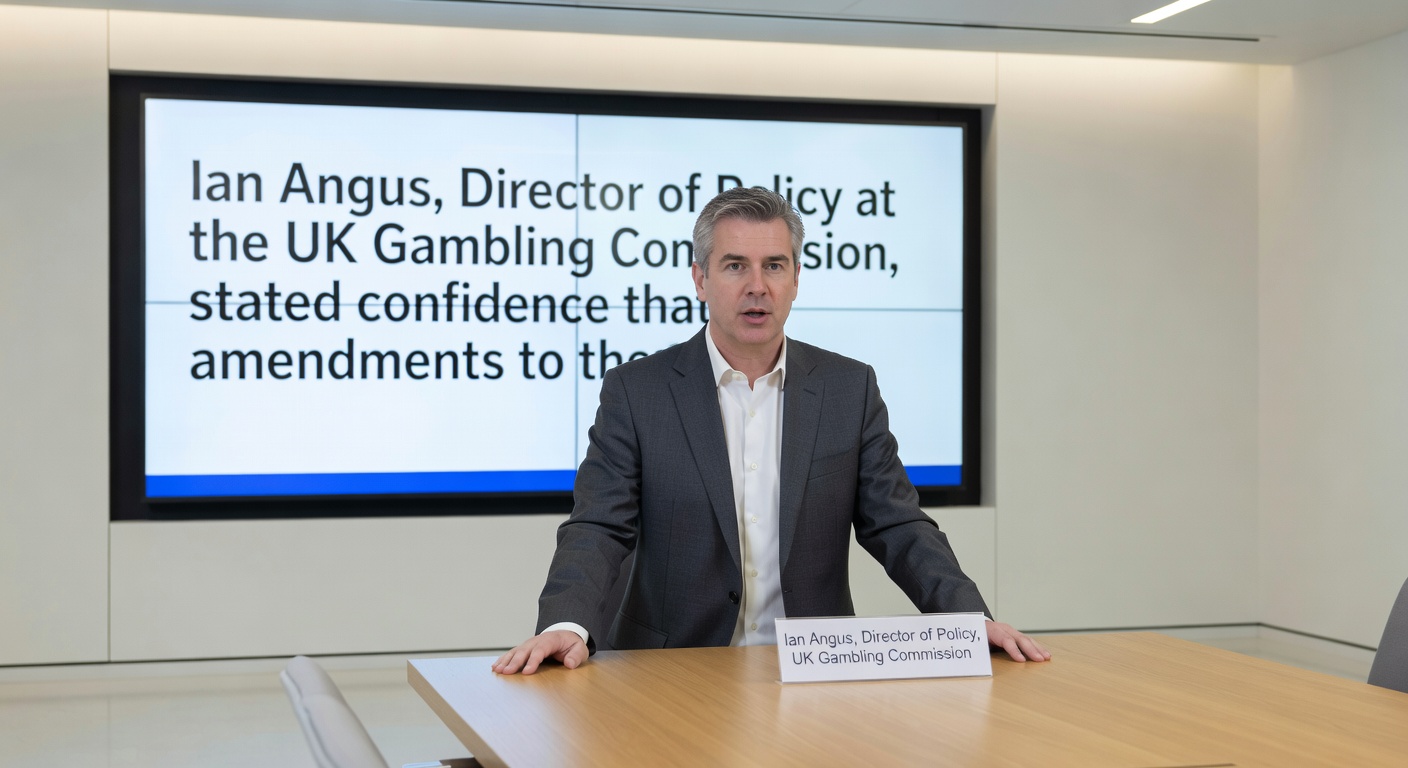
Companies active in Scotland integrate new compliance frameworks that address advertising placement, content restrictions, and mandatory messaging about support services, changes that reflect ongoing UK-wide policy adjustments scheduled for full implementation during 2026. Retail betting shops continue to serve customers who prefer in-person transactions, yet many locations now promote digital accounts and offer staff training on responsible gambling practices to bridge the two channels.
Figures reveal that operators allocate resources toward staff development and system upgrades that support real-time affordability monitoring, steps taken to align with commission expectations while preserving service quality for both online and land-based users. The regulatory environment encourages innovation in tools that help individuals manage their activity, and licensed entities report steady progress in rolling out these features across their platforms.
Market Shift Toward Online Continues
Although physical betting shops persist in communities throughout Scotland, the balance of wagering activity tilts further online as mobile technology improves and consumer habits evolve, a transition that regulators monitor through regular reporting requirements and compliance audits. Operators balance investment between maintaining retail footprints and expanding digital infrastructure, recognizing that both segments serve distinct customer groups even as overall volumes migrate toward apps and websites.
Those who've studied licensing data observe that new account registrations occur predominantly through digital channels, while existing retail customers gradually adopt hybrid usage patterns that include both shop visits and mobile betting. This dual presence allows businesses to gather comprehensive information on player preferences and adjust offerings accordingly without abandoning established locations.
Conclusion
Scotland's betting sector therefore reflects the wider UK movement toward stronger regulatory standards and increased digital participation, with operators demonstrating adaptation through updated systems and compliance measures that address consumer protection, affordability, advertising, and harm reduction priorities in 2026. Retail outlets maintain relevance alongside the expanding online segment, creating a market structure that accommodates varied user preferences while meeting the requirements set by the UK Gambling Commission and related policy developments. The ongoing transformation positions the industry to operate within clearer guidelines that prioritize player safety alongside commercial activity.