Mental Pivots in Competition: How Psychological Breaks Reshape Valuations in Head-to-Head Sports
Devon Schmitt · Jun 29, 2026
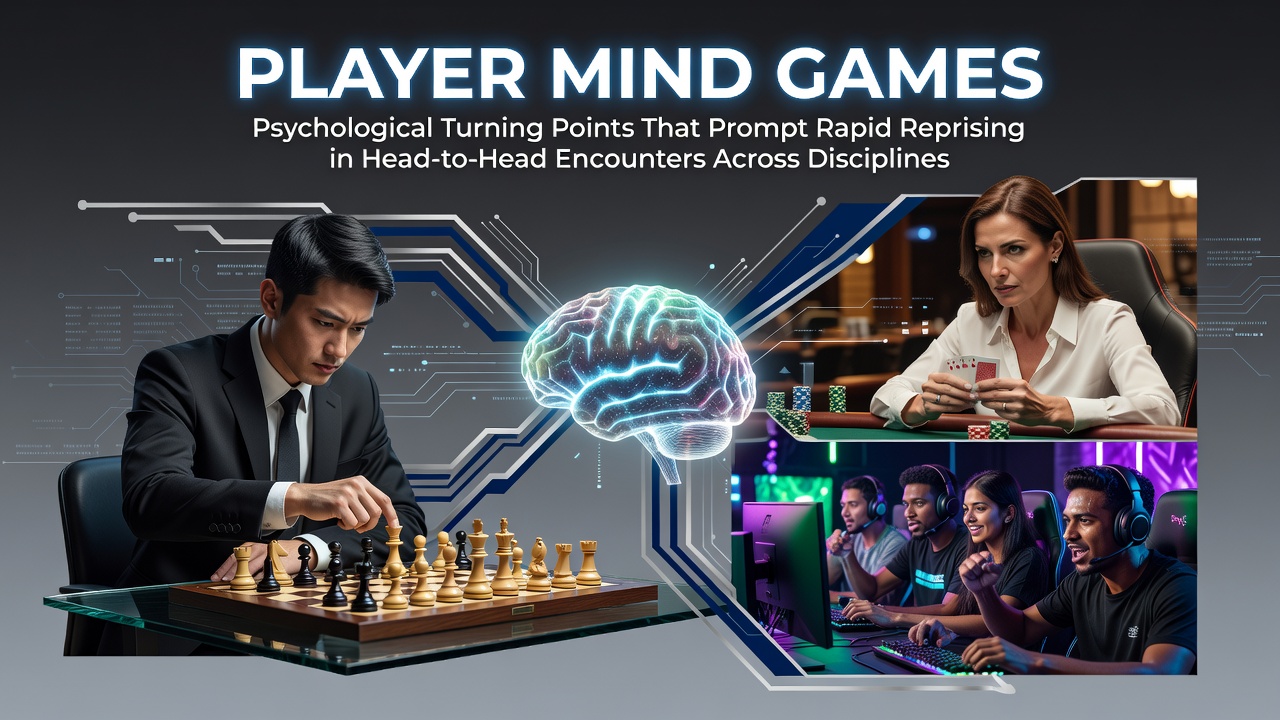
Mental Pivots in Competition: How Psychological Breaks Reshape Valuations in Head-to-Head Sports
Head-to-head encounters across sports often hinge on subtle mental shifts that bookmakers track closely, and these turning points can trigger immediate adjustments in live pricing across tennis, boxing, basketball, and darts markets. Observers note that such repricing occurs when players exhibit visible changes in demeanor, decision-making speed, or emotional control during critical phases of play.
Research from the Victorian Responsible Gambling Foundation indicates that momentum swings tied to psychological factors account for a significant portion of live betting volatility in direct matchup events. Data shows these moments frequently cluster around service breaks in tennis or round transitions in combat sports, where one competitor's sudden hesitation or renewed aggression prompts rapid line movements.
Service Breaks and Emotional Control in Racket Sports
In tennis, a double fault sequence often signals more than technical error, since it frequently coincides with visible frustration or loss of rhythm that alters point-win probabilities. Market makers respond by shifting implied probabilities within seconds of such sequences, particularly when the player in question has a documented history of prolonged recovery times after errors. Studies conducted by Canadian researchers at the University of Toronto highlight how opponents exploit these windows through deliberate pace changes, further accelerating valuation shifts in live markets.
Similar patterns emerge in squash and badminton, where prolonged rallies ending in unforced errors create comparable effects. Those monitoring these contests report that algorithmic systems flag hesitation patterns and feed adjustments directly into pricing engines, compressing margins during extended exchanges.
Round Transitions and Focus Lapses in Combat Disciplines
Boxing and mixed martial arts present distinct psychological inflection points around the bell, where fighters who appear deflated after absorbing combinations often see their perceived win probabilities drop sharply before the next round begins. Footage analysis from major events reveals that slumped shoulders or delayed glove taps correlate with immediate repricing, sometimes exceeding five percentage points in implied probability within a single minute. Industry reports from the National Council on Problem Gambling in the United States connect these visual cues to broader patterns in how live odds evolve during extended contests.
Darts matches offer a parallel example, since missed doubles at key stages can erode a player's composure and prompt swift adjustments in checkout percentages. Data collected across professional tours shows that players who glance repeatedly at scoreboards after such misses experience measurable declines in subsequent accuracy, prompting bookmakers to recalibrate props accordingly.
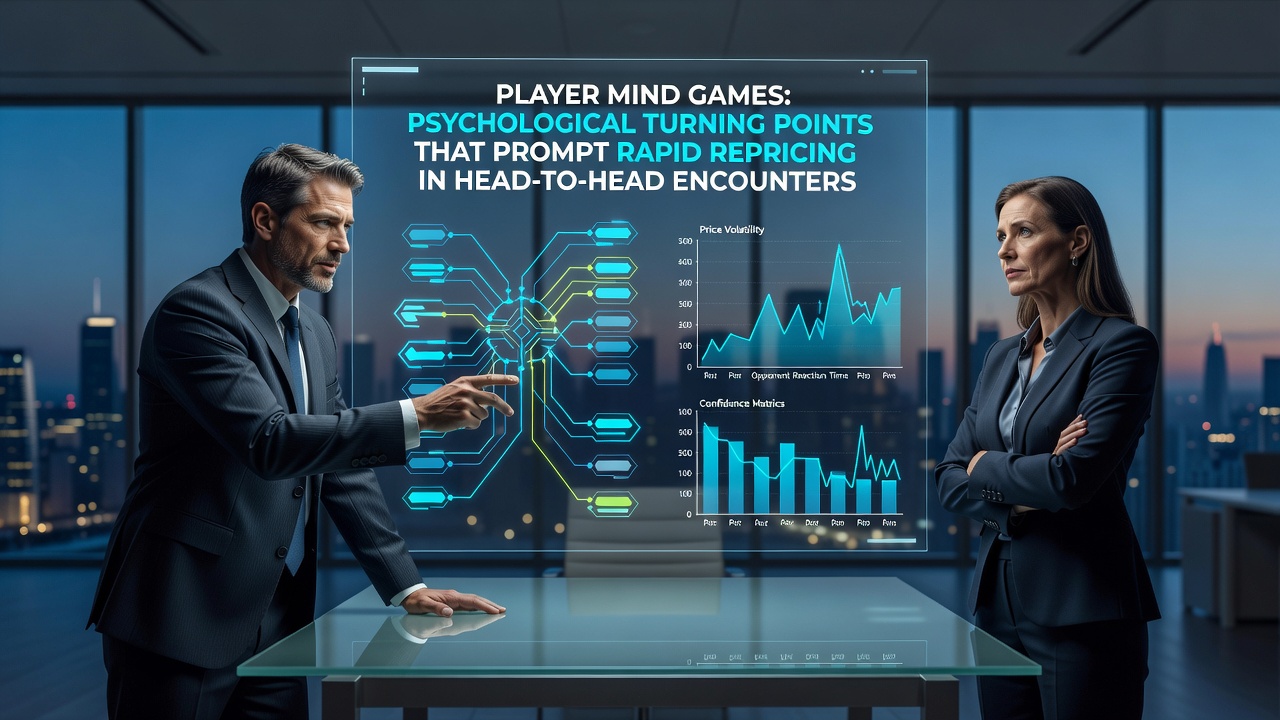
Momentum Shifts in Team-Based Individual Matchups
Basketball and rugby present one-on-one defensive battles embedded within larger team frameworks, where a defender's sudden loss of positioning or a ball carrier's hesitation at the line can flip possession values instantly. European sports analytics groups have documented how these micro-moments compound across quarters or halves, leading to cascading repricing in player prop markets. When one athlete begins to second-guess shot selection or tackle angles, live systems register the change and adjust accordingly.
What's notable is the consistency across disciplines: athletes who display outward signs of self-doubt, such as delayed reactions or repeated adjustments to equipment, tend to trigger the fastest market responses. Those following multiple sports simultaneously observe that these signals often precede measurable performance drops lasting several minutes.
Technological Detection and Market Response Mechanisms
Modern pricing engines integrate video feeds and biometric indicators to identify psychological turning points faster than human traders alone could manage. When systems detect patterns like increased blink rates or altered posture, they flag potential probability changes and push updates to bettors within seconds. This approach has become standard in major European and Australian betting operations, where volume in live markets demands near-instantaneous recalibration.
Academic papers on decision-making under pressure further support the link between observable mental states and performance variance. Researchers emphasize that these effects intensify in best-of series or elimination formats, where cumulative fatigue amplifies the impact of any single lapse in concentration.
Conclusion
Psychological turning points continue to drive rapid repricing across head-to-head sports because they alter expected outcomes in measurable ways that automated systems and traders both recognize. Evidence from multiple regions demonstrates that disciplines sharing direct confrontation elements display parallel responses when competitors experience mental breaks. Continued refinement of detection tools suggests these adjustments will occur with even greater precision in future seasons.