Endurance Signals Shaping Live Wager Adjustments in Extended Athletic Contests
Willa Carter · May 20, 2026
Endurance Signals Shaping Live Wager Adjustments in Extended Athletic Contests
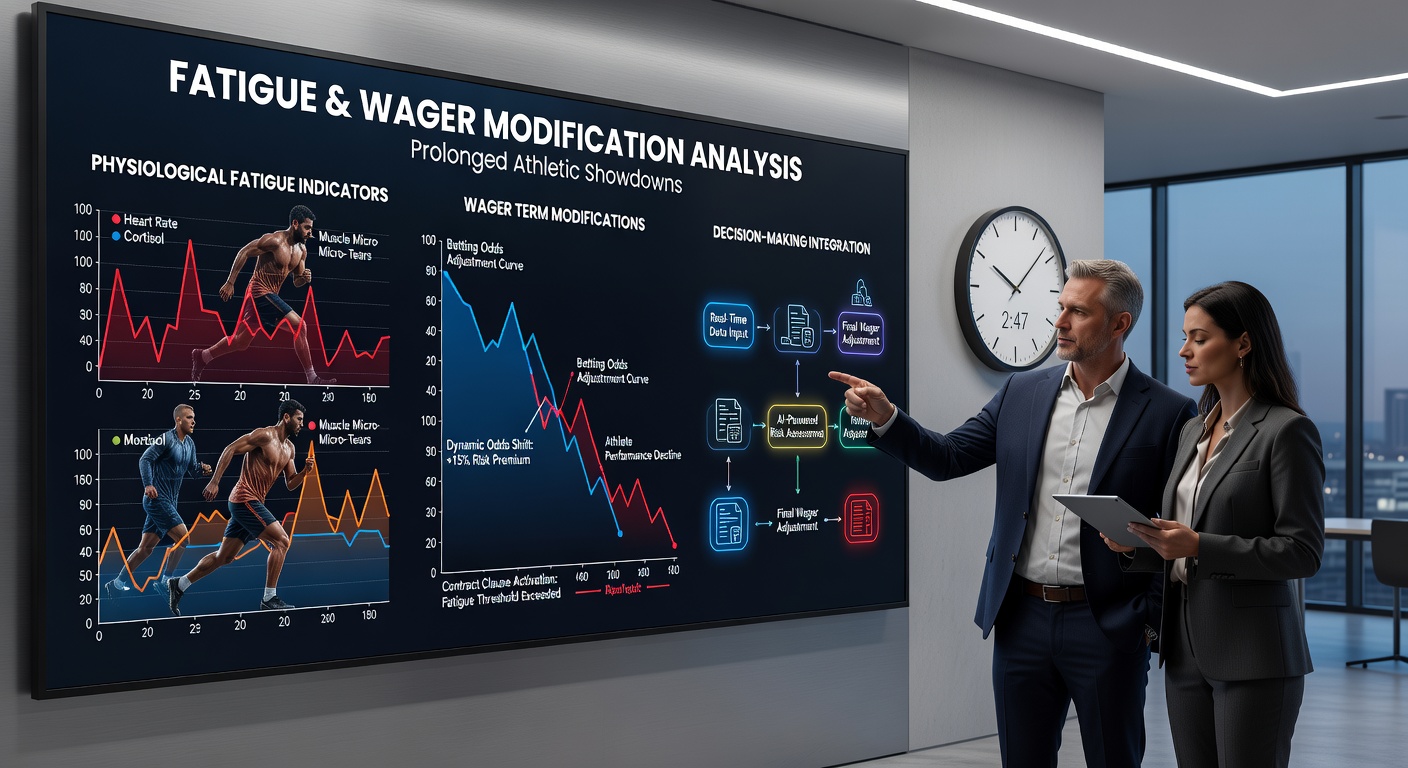
Prolonged athletic contests often reveal distinct fatigue indicators that include declining movement efficiency, elevated heart rates, and rising error frequencies, and these markers prompt betting operators to recalibrate live odds while the action unfolds. Researchers track metrics such as reduced sprint velocities in later stages of matches and increased unforced mistakes, which data from multiple studies shows directly influence wager structures across tennis marathons, boxing bouts extending past ten rounds, and ultra-distance running events.
Key Fatigue Indicators in Competitive Settings
Coaches and analysts monitor physiological signals including core temperature spikes and lactate accumulation levels, yet observers note that behavioral cues like slower reaction times and altered posture provide equally reliable data points for external parties. In events lasting more than three hours, movement tracking systems capture stride length reductions of up to fifteen percent, and such patterns lead bookmakers to shift point spreads or total lines toward more conservative figures as the contest progresses.
Studies conducted by sports science teams at universities in Australia demonstrate consistent correlations between declining vertical jump heights and performance drops in subsequent sets or quarters, while similar findings from Canadian research groups highlight how hydration deficits compound these effects during outdoor competitions held in variable weather conditions.
Application Across Different Athletic Disciplines
Tennis matches that stretch into fifth sets frequently exhibit player-specific fatigue profiles where serve speeds drop by several kilometers per hour after the third hour of play, and this measurable change allows in-play markets to adjust over-under totals on games or points accordingly. Boxing contests that reach championship rounds show punch accuracy declines documented through frame-by-frame analysis, prompting operators to modify round prop bets and method-of-victory options based on accumulated damage indicators visible in fighter movement.
Ultra-marathon events scheduled through May 2026 continue to supply rich datasets because competitors display clear splits between early and late race segments, and timing chips record pace reductions that correlate strongly with mid-race position shifts. Observers note these patterns help refine live betting options for finish-line props and head-to-head matchups among remaining contenders.
Integration of Real-Time Data Feeds
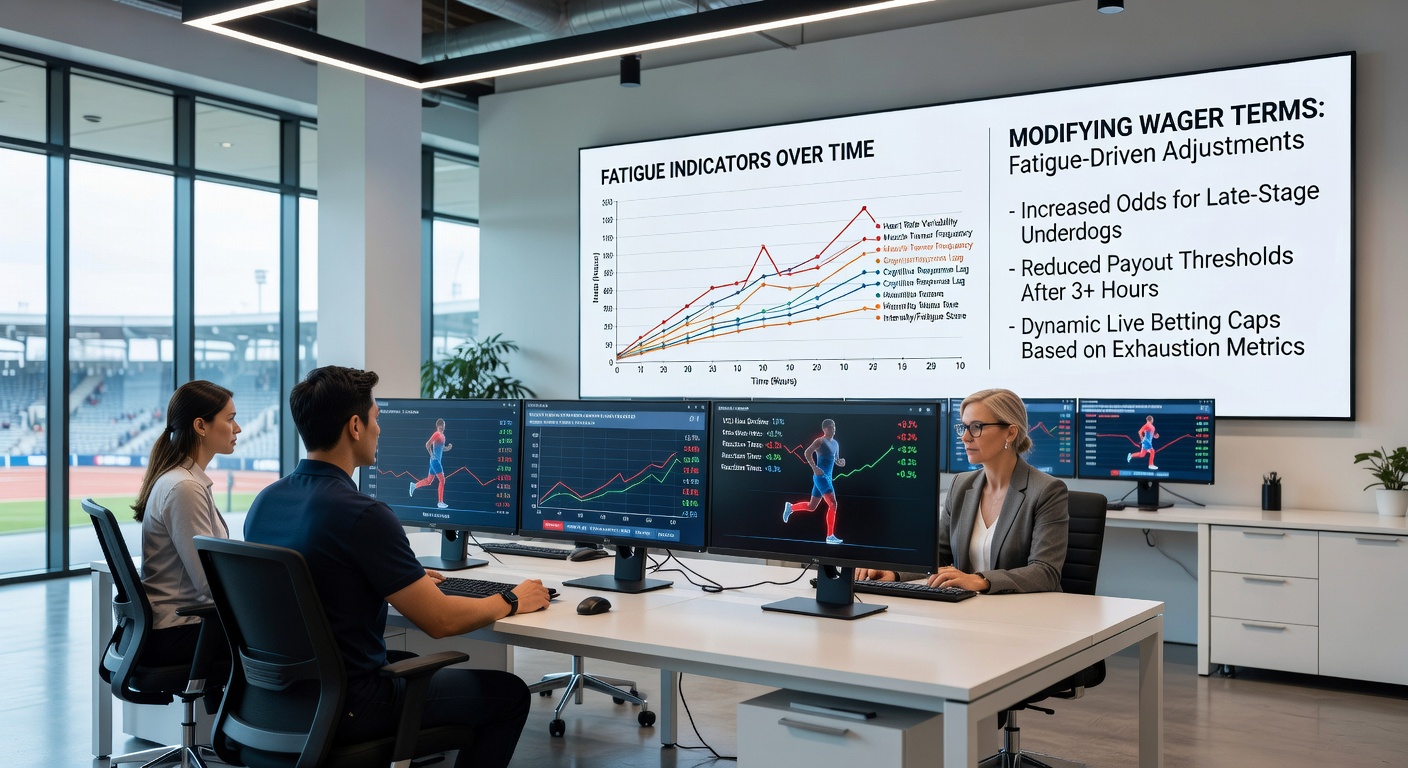
Modern platforms incorporate wearable sensor outputs and court-side camera feeds to detect early fatigue thresholds, and this information flows into algorithmic models that recalculate probabilities within seconds of each observed change. European sports research institutions have published reports indicating that heart-rate variability data collected during prolonged exertion improves the accuracy of late-stage predictions by measurable margins compared with models relying solely on historical averages.
Operators therefore update terms such as next-point favorites or next-round scoring windows based on these continuous streams, and the process maintains market balance while participants show progressive signs of physical decline. Data from international athletic federations reveals that events extending beyond standard durations trigger more frequent line movements than shorter contests because cumulative fatigue effects become statistically significant after established thresholds.
Case Examples from Recent Prolonged Competitions
Take one five-set tennis final where the eventual winner recorded a ten percent reduction in first-serve percentage after four hours of play, and betting records show corresponding adjustments to game totals and set handicaps occurred within minutes of each measurable drop. Similar patterns appeared in a twelve-round boxing title fight when punch output per round fell below established benchmarks, leading markets to favor defensive outcomes and lower total punch counts in remaining rounds.
Ultra-distance races held under varying temperatures further illustrate the principle because runners who maintain early pacing often encounter sharp performance drops after eighty kilometers, and timing data shared publicly allows wager terms to reflect those shifts before the final stages conclude. Industry reports from regulatory bodies in Nevada and Australia confirm that such data-driven modifications occur routinely in live environments where prolonged events unfold over several hours.
Technological Tools Supporting Analysis
Wearable devices now transmit continuous biometric readings to centralized systems, and software platforms aggregate this information with video analytics to flag fatigue thresholds in real time. Those who study these integrations report improved responsiveness in odds updates because models incorporate both quantitative metrics and qualitative visual cues without requiring manual intervention during active play.
Stakeholders across multiple regions continue to refine these systems ahead of major competitions planned through 2026, and the resulting adjustments maintain alignment between observed physical states and available wagering options throughout extended contests.
Conclusion
Fatigue indicators supply measurable signals that betting frameworks use to modify live terms during prolonged athletic events, and ongoing advances in sensor technology and data processing support increasingly precise recalibrations. Evidence from academic studies and industry reports shows these adjustments respond directly to documented declines in speed, accuracy, and endurance across diverse sports. The approach ensures markets remain responsive while events extend beyond typical durations, and further integration of biometric feeds promises continued evolution in how operators manage wager structures under conditions of sustained physical demand.