Elevation Effects on Athletic Performance and Betting Adjustments in Mountain-Based Competitions
Devon Schmitt · Aug 12, 2026
Elevation Effects on Athletic Performance and Betting Adjustments in Mountain-Based Competitions
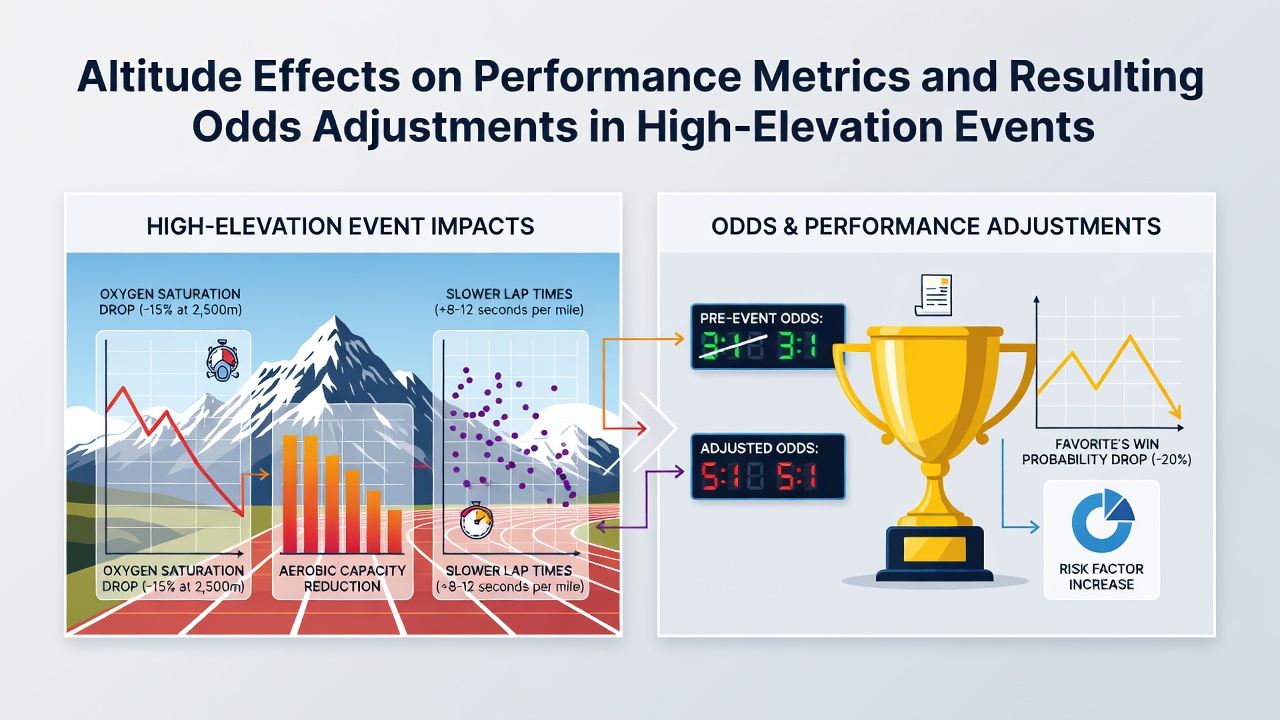
High-elevation venues alter oxygen availability and air density in ways that reshape athletic output across multiple sports, and bookmakers track these shifts closely when setting lines for events at places like Denver, Mexico City, and La Paz. Studies from sports physiology labs show that reduced partial pressure of oxygen at altitudes above 1,500 meters lowers aerobic capacity by 10 to 15 percent in unacclimated athletes, while thinner air allows projectiles and balls to travel farther in baseball, golf, and soccer. Observers note that these measurable changes prompt immediate recalibrations in both pre-match totals and live betting markets.
Physiological Metrics at Altitude
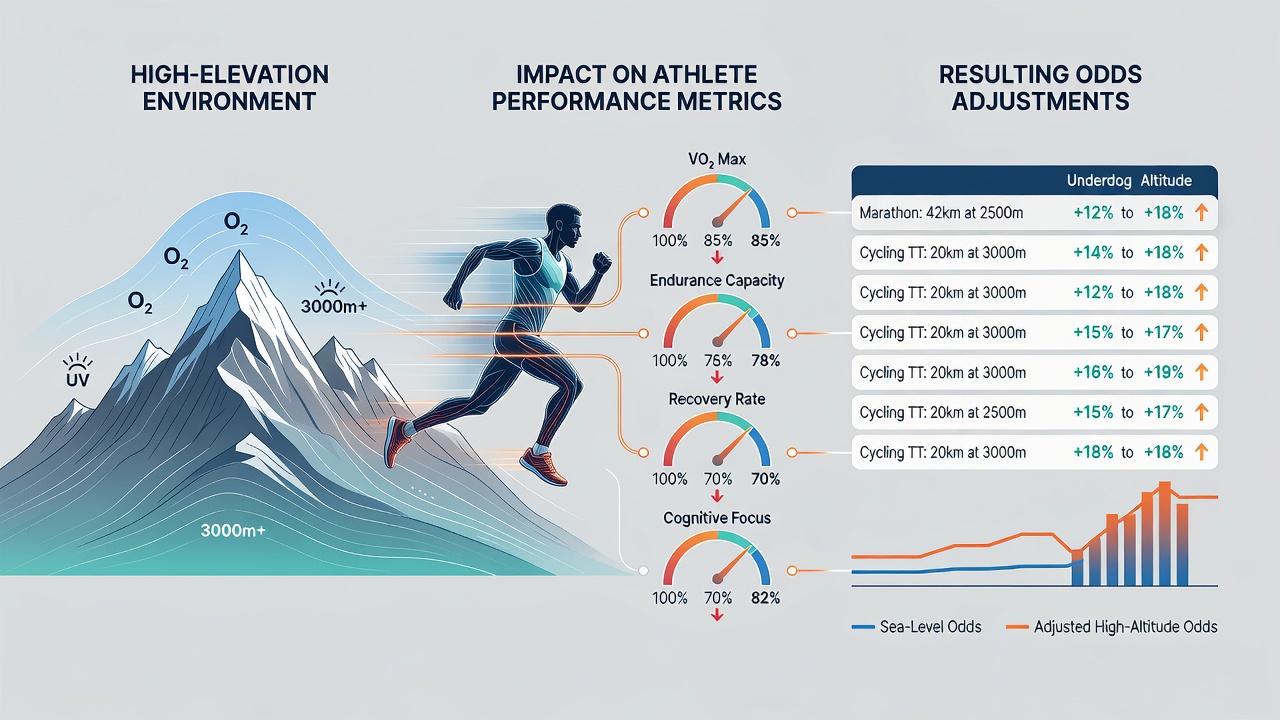
Researchers at the American College of Sports Medicine have documented consistent drops in VO2 max and endurance thresholds when athletes move from sea level to elevations around 2,000 meters. Heart rate rises faster during sustained efforts, and lactate accumulation accelerates because muscles receive less oxygen per breath. In contrast, power output in short anaerobic bursts shows minimal decline or even slight gains due to lower air resistance. Data from cycling time trials at the Tour de France high-mountain stages reveal that climbers improve relative to flat-terrain specialists by margins of 3 to 5 percent, figures that oddsmakers incorporate into stage-specific props.
Teams with training bases above 1,800 meters often maintain higher red-blood-cell counts, giving them measurable edges in events lasting longer than 20 minutes. August 2026 schedules include several soccer matches in Bolivian stadiums near 3,600 meters, where visiting squads without acclimatization periods have historically conceded more goals in the final 30 minutes of play. Performance analytics platforms record these patterns and feed them into models that adjust over/under lines before kickoff.
Ball Flight and Technical Adjustments
Lower air density at altitude changes projectile trajectories in measurable ways. A baseball hit at Coors Field in Denver travels roughly 10 percent farther than an identical swing at sea level, according to wind-tunnel simulations published by the Society for American Baseball Research. Similar effects appear in golf, where drives at high-elevation courses gain 15 to 20 yards on average. Tennis serves also pick up additional speed and flatter bounce because the ball encounters less drag. These technical shifts influence point totals and have led bookmakers to widen run-line spreads and over/under totals at specific venues.
Cricket and rugby contests scheduled at Johannesburg's 1,700-meter elevation demonstrate parallel patterns, with longer sixes and more frequent line breaks recorded in match logs. Analysts compile multi-year datasets from these locations and share aggregated findings through industry reports that betting operators reference when revising live props. The ball travels farther, yet player fatigue compounds in later stages, creating competing variables that require careful weighting in pricing algorithms.
Odds Adjustments and Market Responses
Bookmakers monitor acclimatization windows and historical results at each high-elevation site to refine opening lines. A home team at altitude typically receives a reduced point spread compared with neutral-site equivalents because visiting squads post lower completion percentages and slower recovery between shifts. Live betting markets move quickly once play begins, as early indicators of oxygen debt become visible in substitution patterns and error rates. Figures from the Australian Sports Commission show that teams traveling from low elevations win only 38 percent of matches played above 2,000 meters when given less than five days to adapt.
Derivatives markets such as player props and quarter totals incorporate these venue-specific adjustments as well. Pitchers at Coors Field post higher earned-run averages in models that account for extra-base hits, while distance props in golf events at altitude venues carry elevated ceilings. Operators in regulated North American and European markets publish updated lines within minutes of lineup announcements, reflecting real-time inputs from performance databases.
Case Examples from Recent Seasons
One documented instance involved a soccer fixture in Quito at 2,850 meters where the home side averaged 2.8 goals per match over a three-year span, compared with 1.4 goals when playing at sea level. Betting exchanges adjusted totals upward by half a goal in response, and closing lines settled near those revised figures. Similar recalibrations appear in American football when the Broncos host opponents at 1,600 meters, where total-yardage props expand because passing games exploit thinner air.
Track-and-field records set at altitude provide another reference point. Sprint times at the Mexican national championships benefit from reduced resistance, while distance events suffer. Those competing in combined events face mixed effects that handicappers weigh when constructing multi-leg wagers.
Conclusion
Altitude produces quantifiable shifts in endurance capacity, projectile distance, and recovery rates that betting markets translate into revised odds across multiple sports. Operators rely on historical datasets, physiological research, and venue-specific statistics to maintain accurate pricing, while athletes and support staff continue to study acclimatization protocols that can narrow performance gaps. As calendars advance into 2026 and beyond, these elevation-driven adjustments remain a steady factor in pre-event modeling and in-play recalibrations.