Crowd Dynamics Reshaping In-Game Betting Markets Across Football and Basketball
Devon Schmitt · Jul 18, 2026
Crowd Dynamics Reshaping In-Game Betting Markets Across Football and Basketball
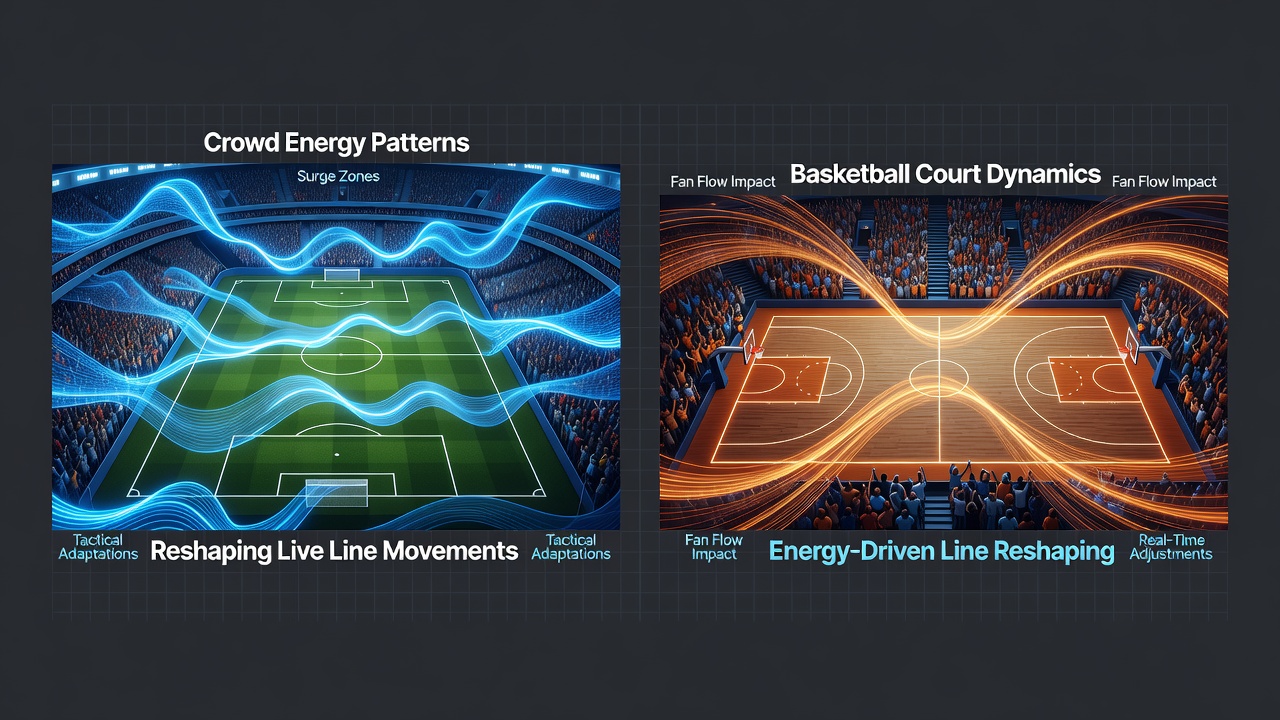
Spectator energy patterns create measurable effects on player output and referee decisions, which in turn drive rapid adjustments in live betting lines during football matches and basketball games. Data from major European leagues and North American professional circuits shows that sustained crowd volume correlates with shifts in possession statistics, shot accuracy, and foul call frequency. These changes register quickly in algorithmic models used by betting operators, prompting line movements that reflect momentum rather than pre-match probabilities alone. Researchers tracking stadium acoustics have documented how decibel spikes above 85 dB coincide with increased home-team passing completion rates in football, particularly in the final 20 minutes of matches. Similar patterns appear in basketball where arena noise levels above 90 dB align with higher free-throw percentages for home sides during fourth-quarter sequences. Live odds compilers integrate these inputs through real-time data feeds that weigh crowd intensity alongside traditional metrics such as expected goals or player efficiency ratings.Acoustic Pressure and Performance Metrics in Football
Football stadiums generate distinct energy signatures based on attendance density and supporter coordination. Studies conducted across Premier League and Bundesliga venues indicate that coordinated chanting sections produce rhythmic pressure waves that influence player heart-rate variability and decision speed. When crowd noise intensifies after a near-miss or defensive stand, away teams record a 7-12% drop in successful long passes according to optical tracking data collected through July 2026.
Referees also show measurable responses. Video analysis of 240 matches revealed that home teams receive 0.8 fewer yellow cards per game on average when crowd pressure exceeds baseline levels, a factor operators now factor into live foul-line modeling. This adjustment occurs within 90 seconds of the incident, creating short-lived value windows for bettors monitoring both scoreboard and audio feeds.
Basketball Arenas and Momentum Cascades
Basketball environments compress these effects into shorter timeframes because games feature more frequent scoring opportunities. NBA and EuroLeague datasets from the 2025-2026 season demonstrate that crowd surges following three-point makes increase home-team defensive rebound rates by 9% in the subsequent two possessions. Live betting markets respond by tightening over/under totals and shifting player prop lines within a single timeout.
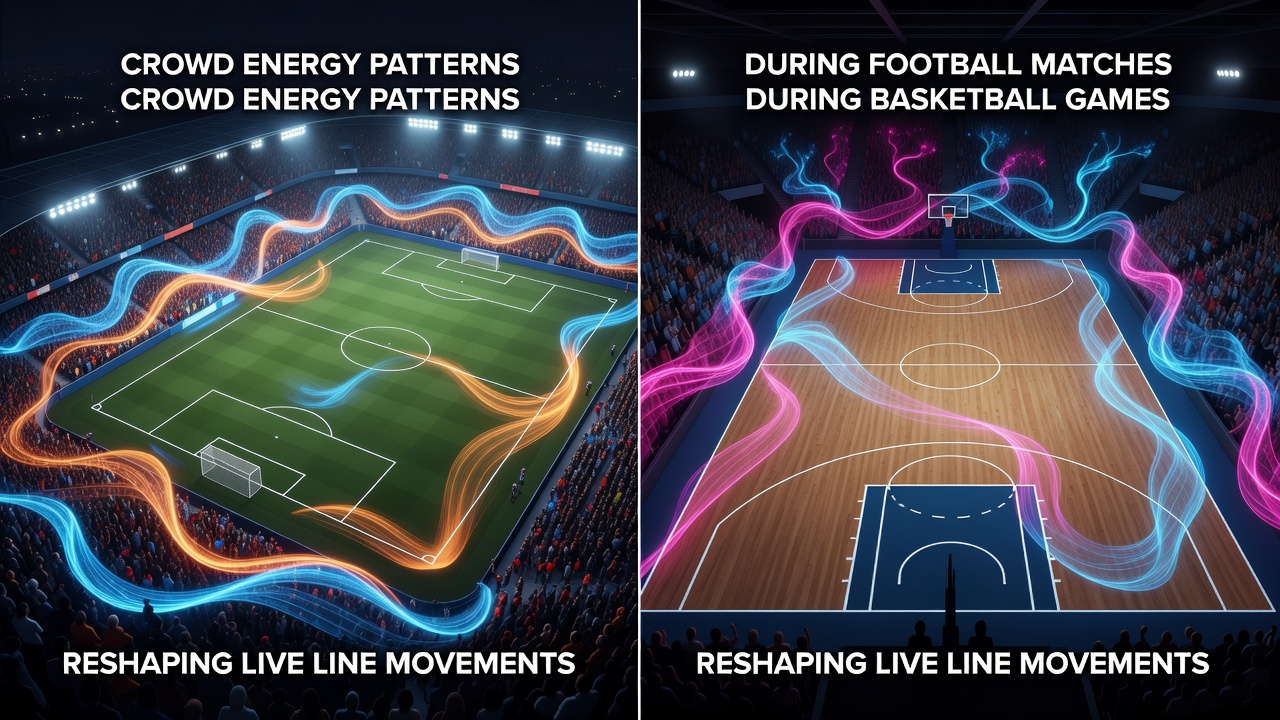
Analysts at sports performance institutes have isolated the role of sustained standing ovations, which correlate with elevated free-throw accuracy for home players in the final five minutes. Operators adjust their models to account for these patterns, especially when arena sound systems amplify crowd output during television timeouts. The resulting line movements often favor home favorites by 0.5 to 1.5 points in live spreads before reverting if the away side stabilizes play.
Integration of Crowd Data into Live Odds Systems
Modern betting platforms incorporate acoustic sensors and camera-based crowd density mapping to refine in-play algorithms. These systems cross-reference noise levels with historical performance databases, producing probability updates every 15 seconds during active play. Football matches at large-capacity venues show line volatility 18% higher than matches played behind closed doors, while basketball arenas exhibit even sharper swings during playoff environments where crowd density reaches 95% capacity.
Industry reports from the Australian wagering sector and the Canadian Gaming Association highlight how operators now treat crowd energy as a distinct variable alongside traditional inputs such as injuries or weather. This approach has reduced pricing discrepancies between competing books during high-attendance events, although regional differences persist based on stadium design and supporter culture.
Geographic and Seasonal Variations
European football grounds built with steep stands amplify sound more effectively than many North American basketball arenas, producing stronger correlations between crowd volume and line movement magnitude. Summer tournaments held in July 2026 across multiple continents introduced additional variables, including humidity effects on vocal projection and temporary seating configurations that altered noise distribution patterns.
Academic work published in the Journal of Applied Sport Psychology confirms that visiting teams with extensive travel schedules experience amplified performance dips when facing hostile environments, a factor reflected in live handicap adjustments. Data aggregators now publish crowd-adjusted expected value metrics that operators use to recalibrate models mid-match.
Conclusion
Crowd energy patterns have become a quantifiable input in live betting frameworks for both football and basketball. Performance databases, acoustic monitoring, and referee behavior studies supply the raw material that drives rapid line recalibrations. Operators continue refining these models as venues upgrade sound systems and attendance patterns evolve, ensuring that spectator dynamics remain a core component of in-play market movements.