Britain's Digital Shift: Emerging Patterns in Online Gambling Engagement
Willa Carter · Jul 1, 2026

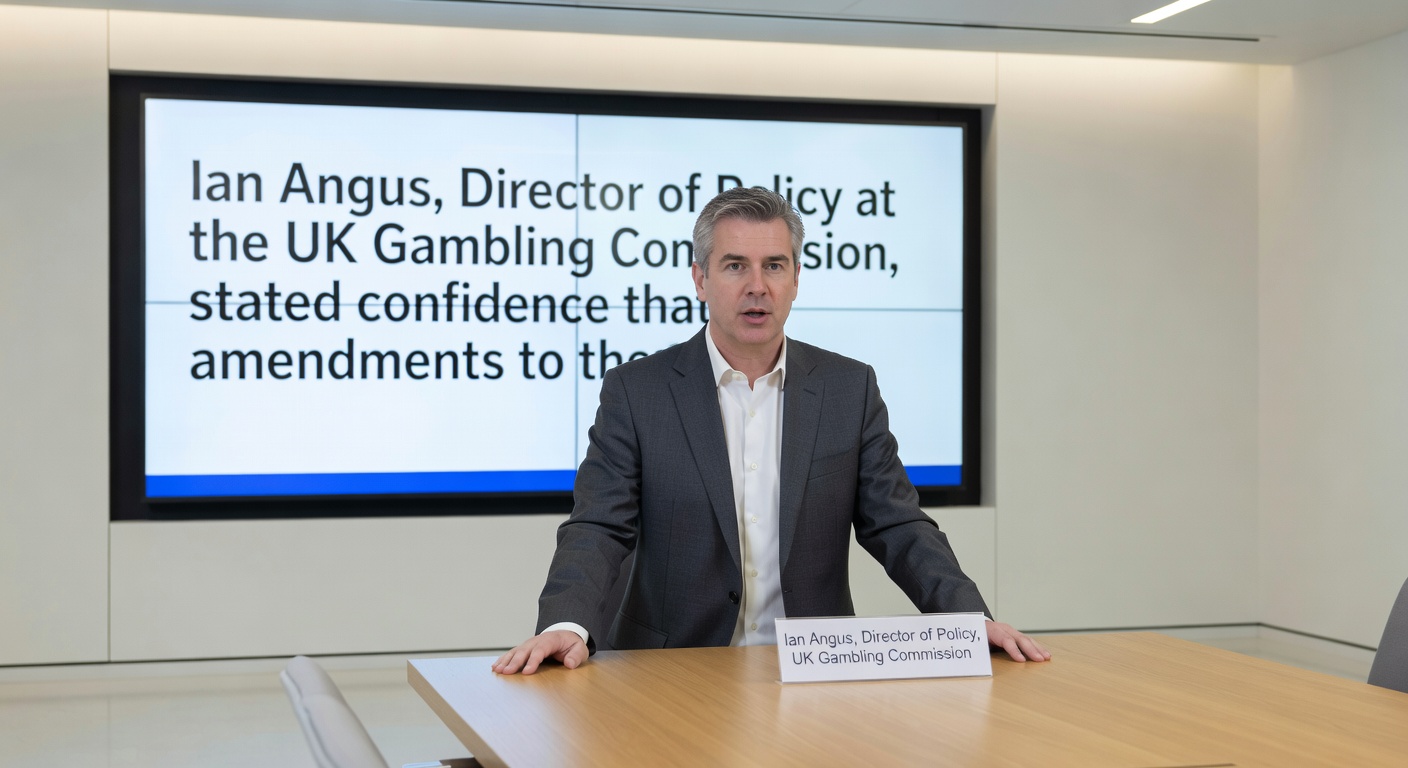
UK Gambling Commission Launches Call for Proposals on Regulatory Streamlining
The UK Gambling Commission has opened an invitation for proposals from operators and suppliers across the gambling sector, and this initiative forms part of the regulator's 2026/27 Business Plan while focusing on opportunities to streamline or eliminate unnecessary regulatory requirements, guidance, and processes. The move targets reductions in administrative burdens, yet it maintains firm commitments to consumer protections alongside the core licensing objectives set out in the Gambling Act 2005. Submissions remain open until 25 September 2026, and industry participants can contribute directly through the channels outlined in the official announcement.
Those who've followed regulatory developments note that the Commission has framed this effort around practical efficiencies without compromising existing safeguards, and the 2026/27 Business Plan positions the call as a structured review process. Proposals will undergo evaluation based on their alignment with statutory duties, which include preventing crime and disorder, ensuring fair and open gambling practices, and protecting children along with vulnerable adults from harm. The Commission has encouraged submissions that identify specific areas where current rules create duplication or add costs without delivering proportional benefits.
Details of the Proposal Invitation Process
Industry stakeholders, ranging from large operators to smaller suppliers, qualify to submit ideas under this framework, and the Commission has specified that each proposal should detail the regulatory element in question while explaining how changes could maintain or enhance consumer outcomes. Guidance on the submission format appears on the regulator's website, and interested parties must ensure their contributions reference the Gambling Act 2005 objectives explicitly. The deadline of 25 September 2026 allows nearly fifteen months for preparation, which reflects the Commission's intent to gather comprehensive input ahead of the next business planning cycle.
Data from previous regulatory reviews shows that targeted adjustments have sometimes reduced compliance timelines by measurable margins, yet the current invitation emphasizes evidence-based suggestions rather than broad deregulation. Participants can address topics such as reporting frequencies, licensing application procedures, or guidance documents that overlap with other oversight mechanisms. The Commission has stated it will consider all qualifying proposals before deciding on implementation steps, and any adopted changes will undergo further consultation where required by law.
Context Within the 2026/27 Business Plan
The 2026/27 Business Plan sets out the Commission's priorities for the coming period, and the regulatory burden review sits alongside ongoing work on consumer protection standards and enforcement activities. July 2026 marks an early point in this planning horizon, when initial assessments of received proposals may begin feeding into internal evaluations. Observers note that the plan continues the regulator's established approach of balancing industry growth with strict adherence to licensing conditions, and the invitation for proposals represents one component of that broader strategy.
According to the Commission's published materials, the review aims to identify requirements that have become outdated due to technological advances or shifts in market practices, while preserving the integrity of the licensing regime. Suppliers of gambling software and equipment also feature in the invitation, since their input can highlight technical or operational processes that add unnecessary layers to compliance. The process encourages collaborative suggestions, and the regulator has indicated it will publish outcomes once evaluations conclude.
Objectives and Scope of the Initiative
The licensing objectives of the Gambling Act 2005 remain central to every aspect of this call for proposals, and the Commission has made clear that no changes will proceed if they risk undermining those goals. Proposals must therefore demonstrate how streamlining would support rather than weaken protections for players, and the regulator will apply rigorous scrutiny to each submission. Areas under consideration include guidance documents that clarify existing rules, reporting requirements that duplicate information already held by the Commission, and approval processes that extend timelines without adding value.
Those involved in the sector have seen similar reviews in prior years produce incremental adjustments, and this latest effort continues that pattern by inviting direct input from those who navigate the rules daily. The Commission has stressed that the invitation does not signal a wholesale rewrite of regulations, but instead seeks targeted opportunities for efficiency. Proposals can cover both operator-facing and supplier-facing obligations, which broadens the potential scope of recommendations received by the deadline.
Submission Requirements and Timeline
Interested parties must submit proposals through the designated channels by 25 September 2026, and each entry should include supporting evidence where possible to illustrate the claimed benefits. The Commission has provided templates and contact points to assist with the process, and it expects submissions to remain focused on specific regulatory elements rather than general commentary. Following the deadline, the regulator will assess all contributions against its statutory framework before determining next steps, which may include pilot programs or formal consultations on proposed changes.
The timeline aligns with the 2026/27 Business Plan cycle, allowing sufficient time for thorough review while keeping momentum toward implementation where justified. Industry groups have received notification of the invitation, and the Commission has encouraged collective responses alongside individual submissions to capture a wide range of perspectives. Any resulting reforms will appear in future updates to licensing conditions or guidance, subject to the standard procedures for regulatory amendments.
Conclusion
The UK Gambling Commission's invitation marks a defined step within its 2026/27 Business Plan, and it centers on gathering practical ideas for reducing regulatory burdens while upholding the requirements of the Gambling Act 2005. With a submission window extending to 25 September 2026, operators and suppliers now have a clear route to contribute, and the process will feed into ongoing efforts to refine oversight without compromising core protections. Further details remain available through the Commission invites industry proposals to reduce regulatory burdens page, which outlines the full scope of this initiative.