Black Market Betting Sites Poised to Flood UK Ads with £1 Billion Spend by 2028
Devon Schmitt · Apr 27, 2026

Black Market Betting Sites Poised to Flood UK Ads with £1 Billion Spend by 2028
New Projections Paint Stark Picture for UK Gambling Ad Landscape
Research fresh out this April 2026 reveals a looming shift in the UK's betting ad wars, where illegal sites project spending over £1 billion annually by 2028, eclipsing what regulated operators shell out; that's the reality as black market players ramp up while licensed firms pull back amid mounting pressures like the Remote Gaming Duty hiking to 40% come May. Data from The Lines underscores how unregulated operators, dodging taxes and checks, pour cash into visibility, turning social feeds, search results, and apps into battlegrounds that legitimate businesses struggle to match.
Figures show total industry ad spend hitting £1.9 billion by October 2026, with black market ads claiming £845 million of that pie, a 32% year-on-year surge that outpaces everything else; licensed outfits, meanwhile, trim budgets by 9.2% because higher duties squeeze margins, and affordability checks add compliance headaches that eat into marketing dollars. Observers note this divergence plays out right now, as punters scroll past flashy unregulated promos promising better odds or no-strings bonuses, while regulated ads feel the pinch and fade from view.
Tax Hike Hits Licensed Operators Where It Hurts
The Remote Gaming Duty jump to 40% starting next month forces licensed firms to rethink every penny, leading to those 9.2% ad cuts that researchers tie directly to eroded profitability; companies like Flutter and Entain, long staples in the regulated space, face a squeeze since duties on remote bets climb while they shoulder costs for player protections that black market rivals ignore entirely. And it's not just taxes—affordability checks, mandating financial scrutiny for high-stakes punters, layer on operational burdens, diverting funds from splashy campaigns to backend compliance.
Take one operator's playbook: they slashed digital ad buys across Google and Meta by double digits last quarter, redirecting to retention tactics instead, because the math no longer adds up for broad acquisition in a 40% duty world; experts who've crunched the numbers say this creates a vacuum that illegal sites fill fast, luring vulnerable players with unregulated lures dressed as deals. What's interesting here lies in the timing—April reports land just as the tax hammer drops, amplifying the chill on legal ad flows while black market bucks flow freer.
Black Market Ad Surge: 32% Growth and Counting
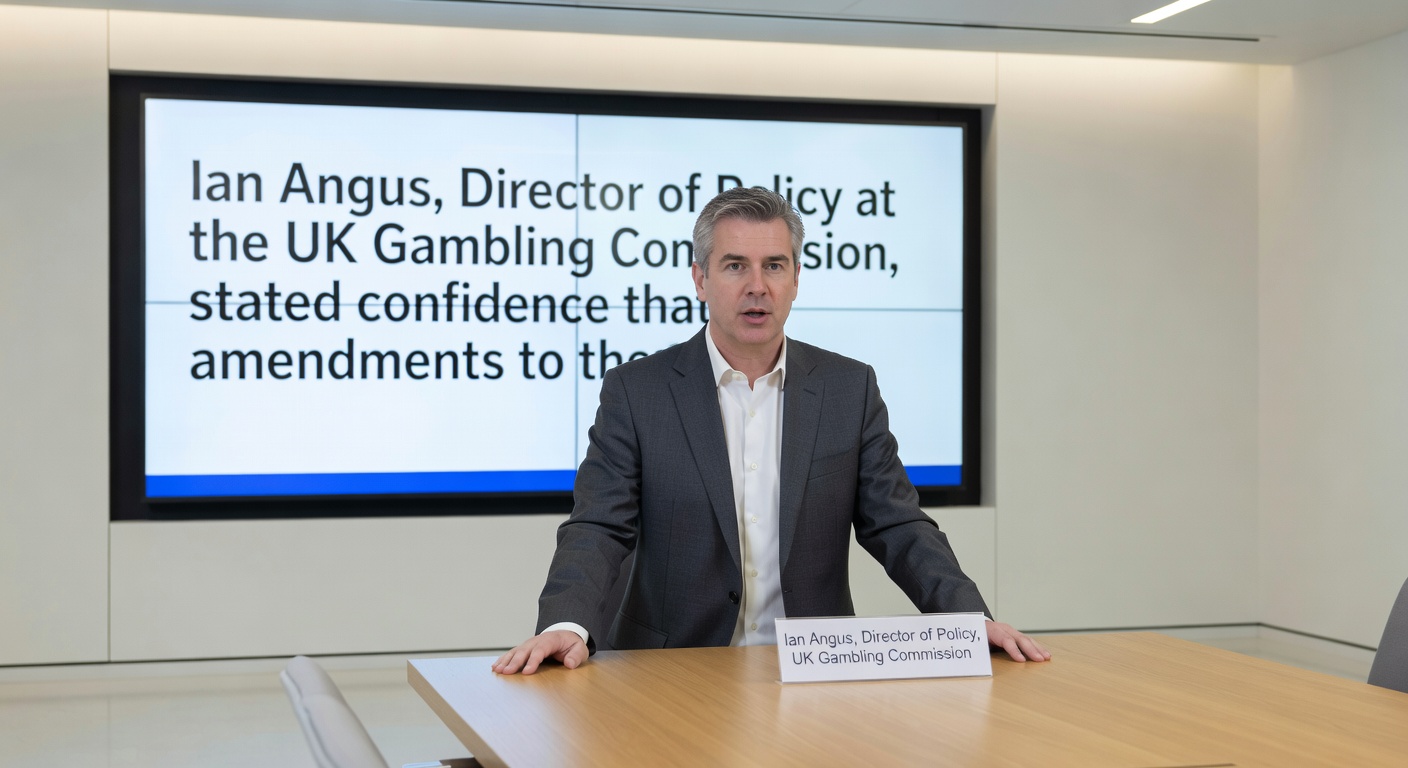
Unregulated ads don't just grow—they explode, hitting that £845 million mark by October 2026 amid a 32% yearly leap that researchers project catapults total black market outlays past £1 billion by 2028; these sites, often mirroring legit ones with fake licenses or overseas servers, flood platforms with targeted promos hitting football fans during matches or racing punters pre-post time, bypassing geo-blocks via VPN tricks that tech-savvy operators deploy. Data indicates they favor cost-effective channels like social media influencers and affiliate networks, where a quid stretches further without regulatory oversight clamping down spend.
But here's the thing: this surge coincides with licensed pullbacks, meaning total ad volume climbs to £1.9 billion even as regulated shares shrink; one case study from late 2025 tracks how a cluster of illegal sites poured £50 million into Premier League tie-in ads, drawing traffic that licensed rivals lost because their scaled-back campaigns couldn't compete on volume or allure. People who've monitored ad auctions report black market bidders dominating low-tier keywords, undercutting prices yet blanketing coverage that feels relentless across devices.
UK Gambling Commission Steps Up the Fight
The UK Gambling Commission ramps enforcement hard, issuing over 3,000 cease-and-desist orders while cataloging 339,757 unlicensed URLs by late 2025, a tally that reflects the sheer scale of the shadow ecosystem thriving beyond borders; Google pitches in too, yanking 270 million related ads from its empire, yet the ads keep spawning like whack-a-mole because illegal operators pivot to new domains and platforms faster than blocks land. Researchers point out this disruption activity—detailed in commission summaries—nets tangible wins, with millions in illegal revenue rerouted, but the ad flood persists as sites adapt with cloaking tech that evades initial scans.
Now, enforcement evolves: late 2025 saw partnerships with ad giants yielding those massive Google takedowns, and April 2026 updates hint at AI-driven monitoring scaling up to chase dynamic campaigns; one expert panel noted how cease-and-desists target payment processors too, starving sites of funds that fuel ad blitzes, although black market resilience shines through in that 32% growth despite the heat. It's noteworthy that these efforts, while chipping away, haven't stemmed the projected £1 billion tide, underscoring the cat-and-mouse dynamic where regulators play catch-up to agile foes.
Broader Patterns Emerge in the Data
Studies break down the spend split clearly: by 2028, illegal ads claim over half the pot, surpassing regulated totals that hover lower due to those tax and check drags; total industry figures at £1.9 billion through 2026 mark a growing pie, yet one where black market slices fattens quickest, pulling in punters who chase lax limits or offshore odds. Observers who've tracked quarterly trends spot patterns—like spikes around major events such as Cheltenham or Euros—where unregulated promos spike 50% over baselines, capitalizing on licensed hesitancy.
And consider the channels: social media absorbs 40% of black market dollars, per data breakdowns, while search and affiliates split the rest, creating echo chambers that algorithms amplify; licensed firms, bound by ad codes, stick to TV and sponsorships that cost more per impression, widening the gap. Turns out, this isn't isolated—similar surges hit other regulated markets like Australia, where tax hikes spurred parallel black market booms, offering a cautionary parallel that UK watchers heed closely.
Implications for Punters and the Industry
Punters navigate a cluttered field now, where £845 million in unregulated ads by October 2026 drowns out licensed messages on player safety and fair play; those drawn in face risks like rigged odds or data theft, issues commission reports flag repeatedly, yet the allure of no-checks betting proves magnetic amid affordability frictions. Licensed operators counter with education pushes, but scaled-back budgets limit reach, leaving gaps that black market fills with glossy promises.
Industry voices, from BGC to operators, highlight how 9.2% cuts stem directly from 40% duties, projecting job trims and innovation stalls if trends hold; researchers model scenarios where ad parity flips by 2028, reshaping market shares as illegal visibility sways new bettors. Yet enforcement metrics—3,000+ orders, 270 million ad nukes—signal resolve, even if projections show the battle far from won.
Conclusion
As April 2026 wraps, this research drops a bombshell: illegal betting sites on track for £1 billion ad dominance by 2028, fueled by a 32% surge to £845 million amid licensed 9.2% retreats from 40% duties and checks; the UK Gambling Commission's 3,000 cease-and-desists and vast URL blocks, bolstered by Google's 270 million removals, mount a defense, but data paints a market tilting toward shadows. What's significant emerges in the trajectory—total spends climbing to £1.9 billion while regulated voices quiet—prompting calls for smarter tools that level the digital turf without stifling legit growth; the ball's in regulators' court now, as punters and firms alike watch the ad wars unfold.