Biometric Wristbands Transform Live Odds Calculations in Golf and Darts Competitions
Devon Schmitt · May 30, 2026
Biometric Wristbands Transform Live Odds Calculations in Golf and Darts Competitions
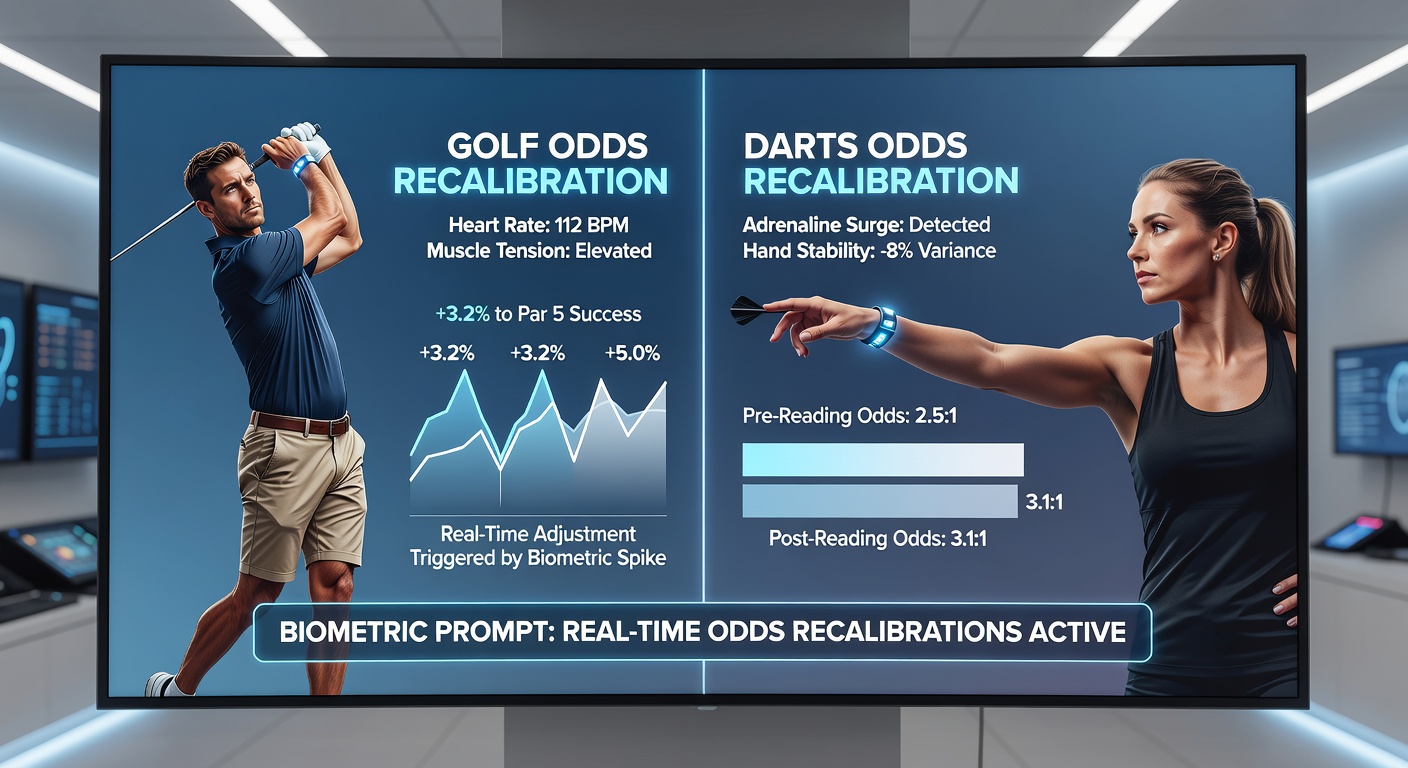
Biometric wristband readings now feed directly into bookmaker systems that adjust golf and darts odds while matches unfold, and data streams from heart rate variability, skin conductance, and movement patterns allow operators to recalibrate probabilities within seconds of new measurements arriving. These devices capture physiological signals that correlate with focus levels and fatigue accumulation, which in turn influence shot accuracy and checkout percentages in the two sports.
Data Streams Enter Betting Platforms
Operators integrate wristband outputs through secure APIs that connect athlete monitoring equipment to central risk engines, and when readings show elevated stress markers during a critical putt or a high-stakes darts leg, the system automatically nudges implied probabilities for specific outcomes. Golf tournaments in 2025 began piloting this approach at several European tours, while darts circuits adopted similar protocols ahead of major ranking events scheduled for May 2026.
Heart rate spikes above established baselines often precede missed greens or dropped darts, so models trained on historical datasets assign higher weight to these signals when recalculating live lines. Skin temperature shifts and electrodermal activity further refine the inputs, producing updated odds that reflect momentary changes in player condition rather than static pre-match assessments.
Application in Golf Tournaments
Professional golfers wear lightweight wristbands that transmit continuous readings to both coaching staff and authorised data partners, and bookmakers receive anonymised aggregates that flag when a player’s recovery metrics fall outside normal ranges between rounds. During the final stages of stroke-play events, sudden increases in resting heart rate have prompted downward adjustments on birdie probabilities for affected athletes, while stable readings support unchanged or improved odds on par saves.
Course management decisions also factor into the models because wristband data reveals how players respond to environmental stressors such as wind or temperature changes, and operators combine these insights with shot-tracking statistics to fine-tune over-under totals on total strokes or specific hole outcomes. One study conducted by researchers at the University of Queensland documented strong correlations between pre-shot heart rate variability and subsequent putting success rates across multiple tournaments.
Adjustments During Darts Matches
Darts players competing in televised ranking events now supply biometric streams that update after each leg, and platforms adjust set-winning probabilities when fatigue indicators rise following extended sessions. Checkout percentages drop measurably when players exhibit sustained elevations in skin conductance, prompting real-time recalibrations on next-leg winner markets and handicap lines.
Multiple operators reported that incorporating these readings reduced variance in live margins during high-pressure finishes, because models could anticipate performance dips before they appeared in the scoreline. Data collected during the 2025 PDC season showed that players with wristband-detected recovery deficits converted fewer than 38 percent of attempts at double 16 compared with their season averages above 42 percent.

Technical Infrastructure and Security
Secure data pipelines encrypt wristband transmissions before they reach bookmaker servers, and access remains limited to aggregated, non-identifiable metrics that comply with regional privacy frameworks. European regulators outside the UK have issued guidance requiring explicit athlete consent and regular audits of how physiological information influences betting products.
Cloud-based processing clusters handle the volume of incoming signals during simultaneous events, and machine-learning pipelines retrain nightly on new match data to maintain calibration accuracy. Partnerships between device manufacturers and odds providers have expanded since early 2025, with several suppliers now offering standardised output formats that integrate with existing trading desks.
Regulatory Developments and Industry Standards
The Malta Gaming Authority published updated technical standards in late 2025 that address the use of athlete biometrics in live betting products, and similar frameworks are under review by the New Jersey Division of Gaming Enforcement for potential application in North American markets. These documents emphasise transparency requirements and mandate disclosure of data sources when odds shift occur due to physiological inputs.
Industry associations including the European Gaming and Betting Association have formed working groups to establish best practices for handling biometric feeds, and their reports highlight the need for independent verification of model outputs to prevent unintended market distortions. Operators that adopted early versions of these systems reported improved risk management during live periods without compromising regulatory compliance.
Conclusion
Biometric wristband integration continues to expand across golf and darts betting markets as device accuracy improves and regulatory clarity increases. Real-time recalibrations driven by physiological signals now form a standard component of live odds management for precision sports, with further adoption expected during the 2026 season across multiple international circuits.