Bench Strength Shifts Reshaping Prop Bet Markets in Team Leagues
Willa Carter · Jun 8, 2026
Bench Strength Shifts Reshaping Prop Bet Markets in Team Leagues
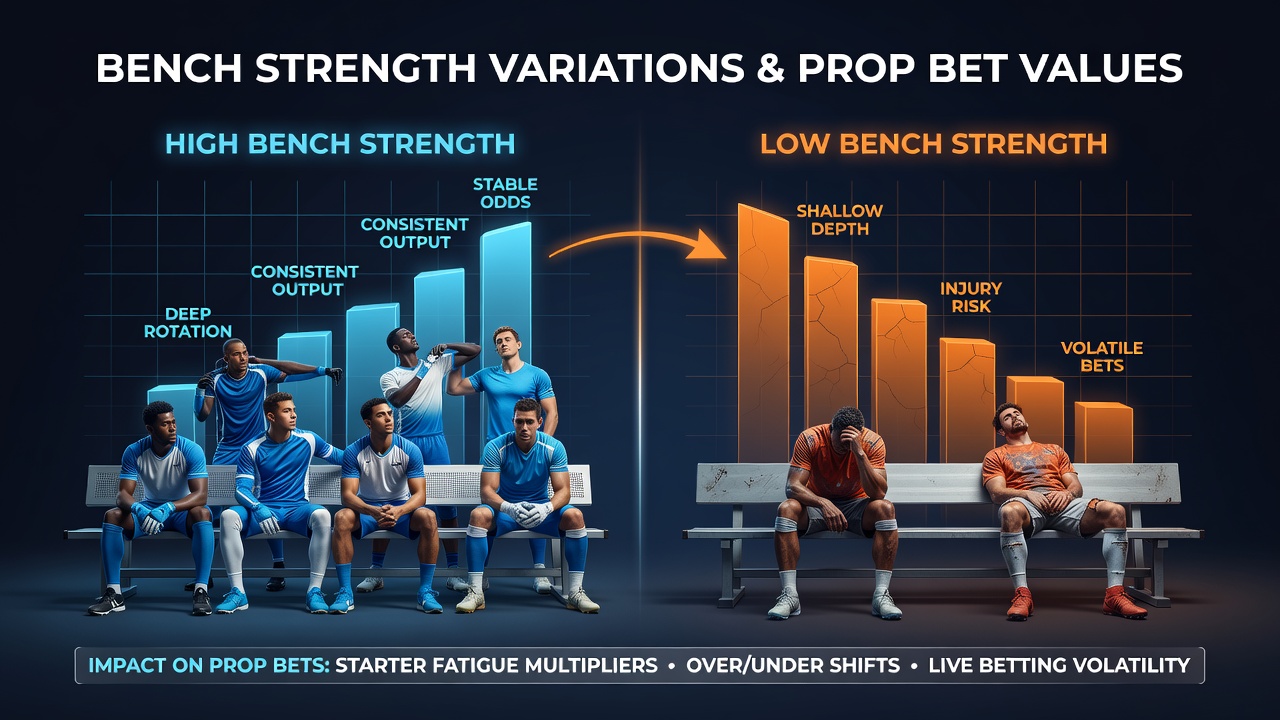
Team sports leagues track bench strength through rotation patterns, injury reports, and performance metrics that directly feed into prop bet calculations. Data from major competitions shows how variations in available players alter expected outputs for individual statistics such as points, rebounds, assists, and goals. These shifts prompt bookmakers to adjust lines on player props and team totals before and during events.
Rotation Patterns and Statistical Adjustments
Coaches deploy different lineups based on game situations, rest needs, and opponent matchups, which changes the distribution of playing time across rosters. In basketball leagues, reduced minutes for starters often elevate bench player props while lowering those for primary scorers. Studies from sports analytics programs indicate that a 10 percent increase in bench usage correlates with measurable drops in starting player output averages over multi-game samples.
Football codes apply similar principles where substitutions affect goal-scoring props and defensive metrics. Teams with deeper midfield options maintain higher possession percentages late in matches, which modifies over/under lines on total shots or passes completed by specific athletes. Observers note that leagues publish official substitution logs that betting markets incorporate into real-time line movements.
Impact on Individual Player Props
Prop bet values hinge on expected participation and role assignments, both of which fluctuate with bench availability. When key reserves enter the rotation, supporting players receive fewer touches, which lowers assist and rebound props for those individuals. League-wide tracking systems reveal that teams missing multiple rotation players see elevated usage rates for remaining contributors, pushing their prop lines higher accordingly.
Boxing and combat sports occasionally reference team corners or training camps, yet the clearest effects appear in basketball, soccer, and hockey where large rosters create consistent depth variations. Researchers at academic sports centers have documented how these roster changes produce statistically significant deviations from season-long averages used in initial prop setting.
League Data Trends Through Mid-2026
Records compiled through June 2026 highlight increased rotation experimentation across North American and European leagues following expanded playoff formats. Figures released by the National Basketball Association show bench minutes rising 4.2 percent year-over-year in regular-season play, which has prompted corresponding recalibrations in player efficiency rating props. Similar patterns emerge in rugby union competitions where forward bench strength influences scrum and lineout outcome props.
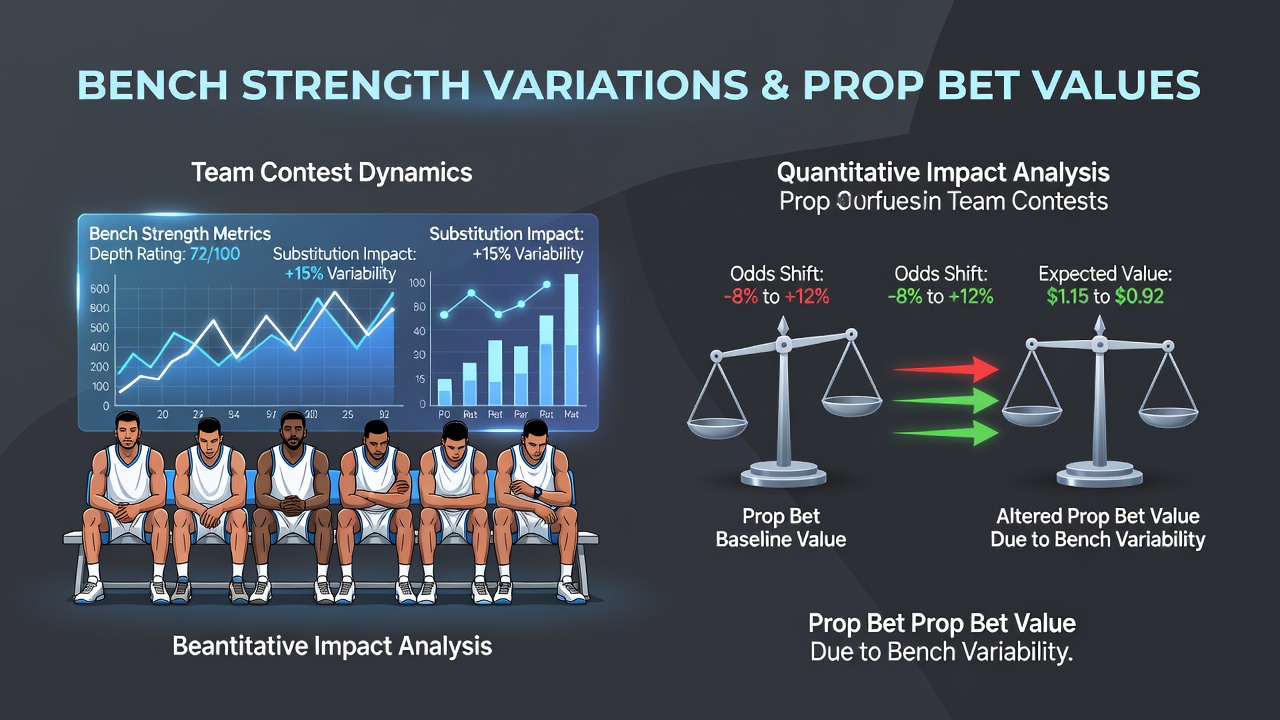
Those monitoring European football note that squad rotation policies ahead of international windows create temporary depth advantages for clubs with larger academies. This produces measurable effects on clean-sheet props and goal-scorer lines when established starters rest. Industry reports from organizations such as Sports Business Journal document how these patterns feed directly into pre-match odds compilation.
Market Responses to Depth Changes
Bookmakers integrate real-time injury updates and lineup announcements into their models, which alters prop values within minutes of roster disclosures. Depth charts released by teams allow markets to anticipate usage spikes for certain athletes, shifting over/under thresholds on minutes played or shots attempted. Data aggregators compile these adjustments across multiple sports, revealing consistent correlations between bench size and prop volatility.
One documented case involved a mid-season trade deadline where a basketball franchise acquired additional frontcourt depth, immediately lowering rebound props for its previous starting center while elevating those for newly acquired reserves. Such roster moves demonstrate how bench variations translate into concrete line movements tracked by professional oddsmakers.
Conclusion
Bench strength variations continue to drive adjustments in prop bet markets across team sports because they directly influence playing time, statistical distributions, and game outcomes. League data through 2026 confirms these effects remain measurable and predictable when analysts incorporate official rotation records and injury reports. Markets respond by recalibrating individual and team props to reflect current roster configurations rather than relying solely on season averages.